
Department of Ecological and Preventive Medicine
Address: 11, Biletskogo street, 246000, Gomel, Republic of Belarus
Tel: +375 232 75-72-60
Tel: +375 232 75-72-60
E-mail: hygiene@gsmu.by
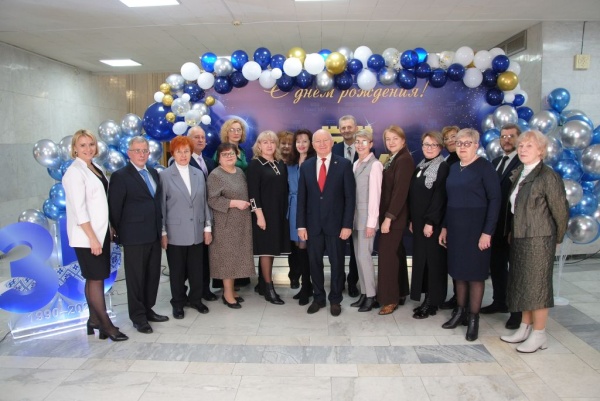
The Department of Hygiene was founded in 1991 on the basis of the Gomel Regional Center for Hygiene and Epidemiology, headed by a hygienist of the highest qualification category – the chief state sanitary doctor of the Gomel region of healthcare, Valery Iosifovich Klyuchenovich.
Since the formation of the first hygiene department, its employees were highly qualified sanitary doctors who worked in the city’s sanitary and epidemiological service institutions. Among them are Viktor Ivanovich Pokinko, Chief Physician of the Belarusian Railways Departmental Center for Hygiene and Epidemiology; Galina Petrovna Matveyevskaya, Head of the Centralized Laboratory for Communal Hygiene of the Gomel Regional Center for Hygiene and Epidemiology; and Elena Stanislavovna Sinyak, Sanitary Doctor of the Department of Child and Adolescent Hygiene of the City Center for Hygiene and Epidemiology.
Until November 1993, the Department of Hygiene taught two separate independent disciplines: a course in social hygiene and healthcare organization, headed by candidate of medical sciences, associate professor Elena Aleksandrovna Boyarinova, and a course in general hygiene, headed by candidate of medical sciences, associate professor Vladimir Nikolaevich Bortnovsky.
On November 1, 1993, by decision of the Academic Council of the Institute, an independent Department of General Hygiene was established, the head of which was appointed candidate of medical sciences, associate professor Vladimir Nikolaevich Bortnovsky.
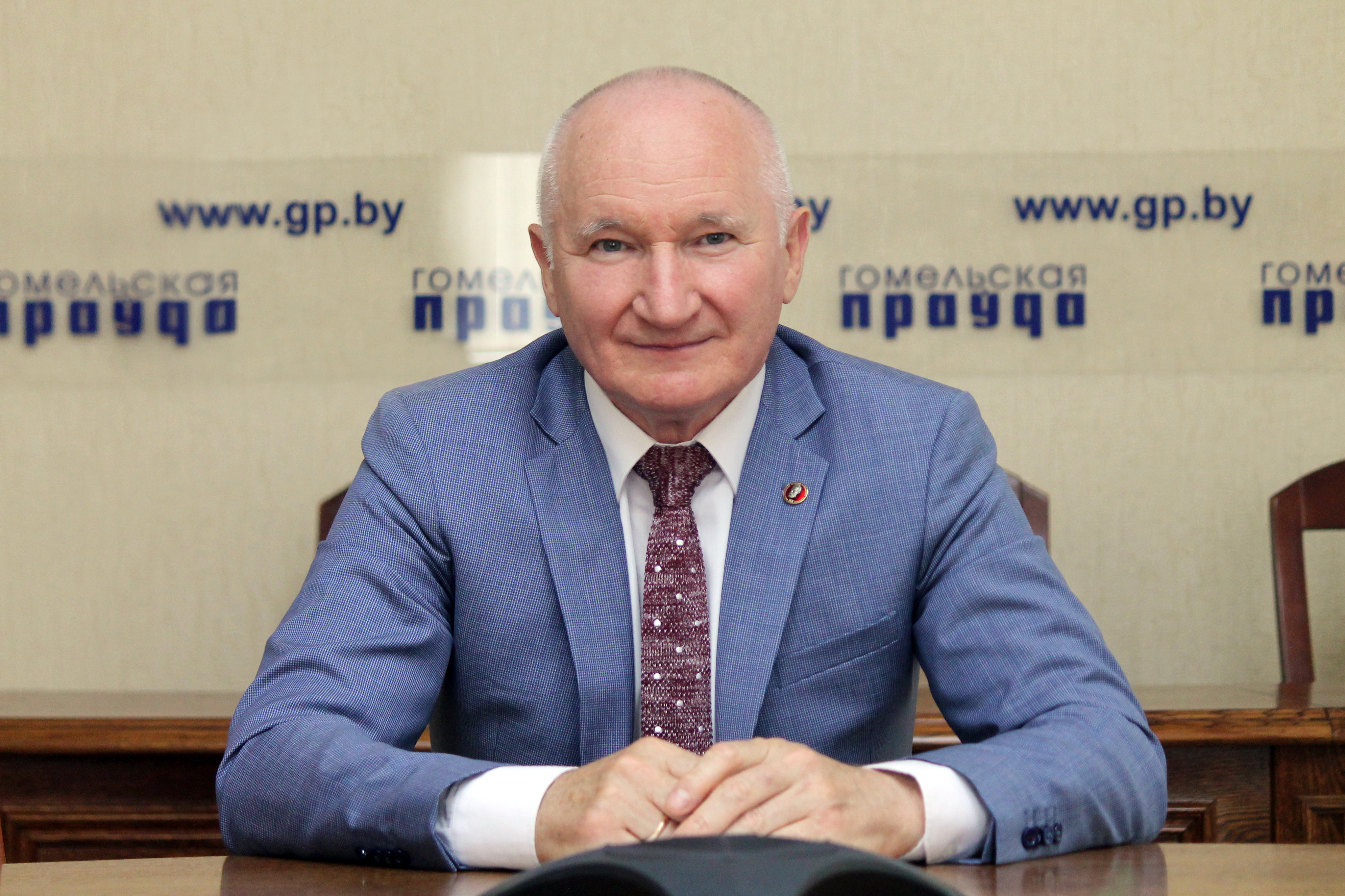
Maintaining the independence of the department was of fundamental importance for the training of doctors in the field of medical and preventive care, the formation of an educational and laboratory base, and the development of scientific and practical issues of hygienic support for the life of the population in an ecologically destabilized environment.
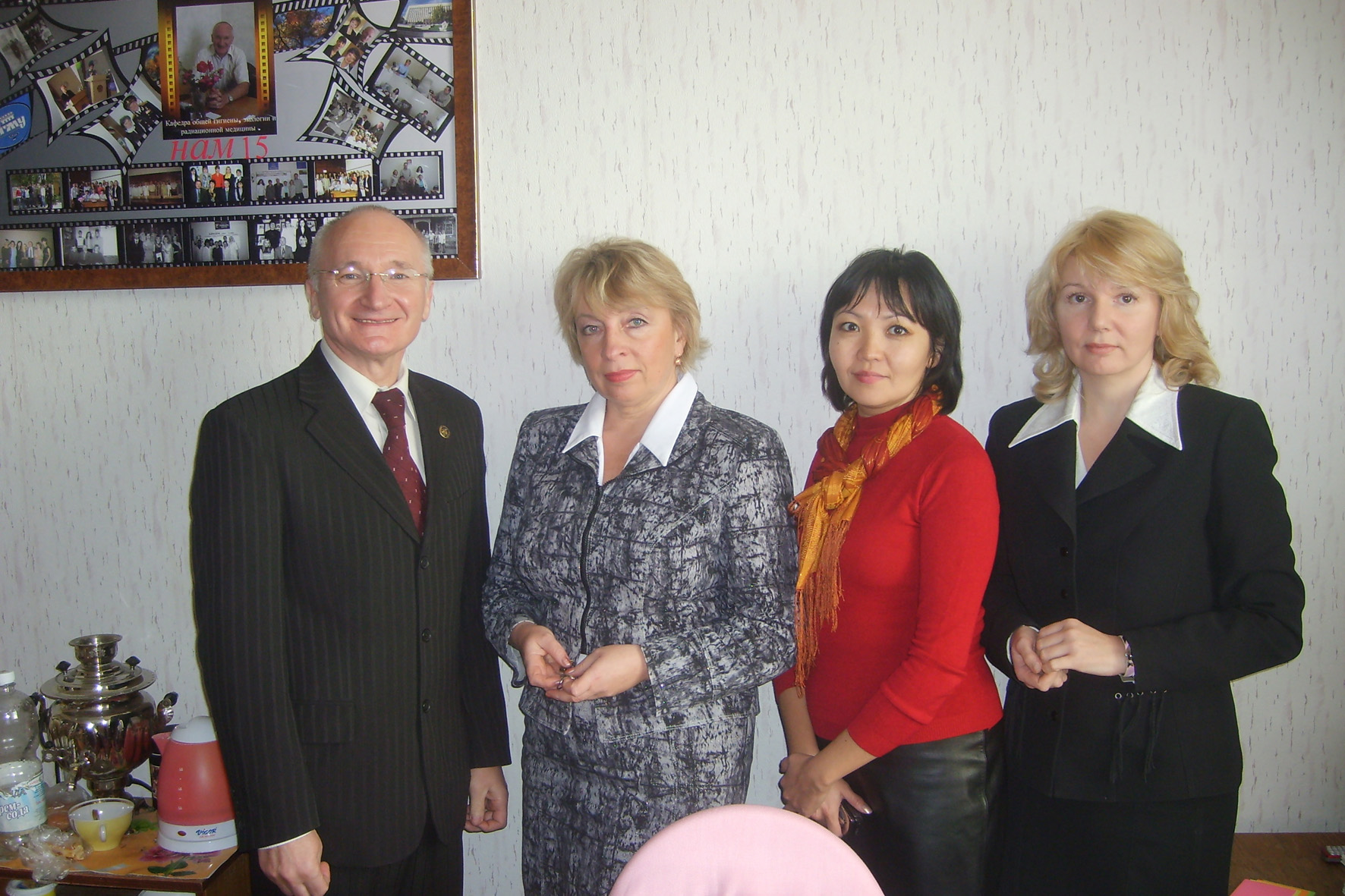
In January 2003, the Department of General Hygiene, Ecology with a Course in Radiation Medicine was renamed the Department of General Hygiene, Ecology and Radiation Medicine.
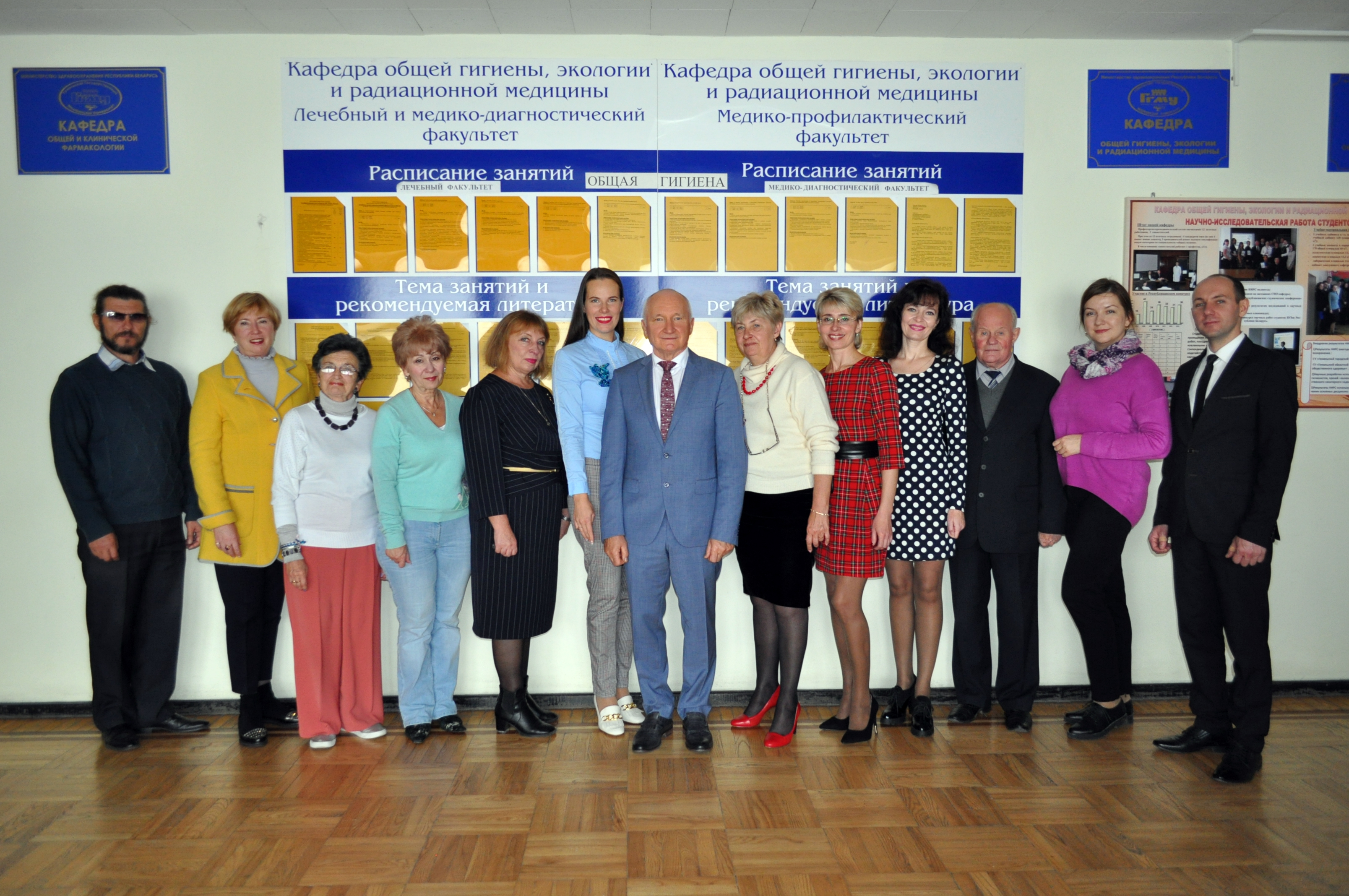
The establishment of the Faculty of Preventive Medicine in April 2001 served as the basis for the development of a new curriculum and corresponding training programs in hygiene disciplines: communal hygiene, food hygiene, occupational hygiene, hygiene of children and adolescents, radiation hygiene, and ecology.
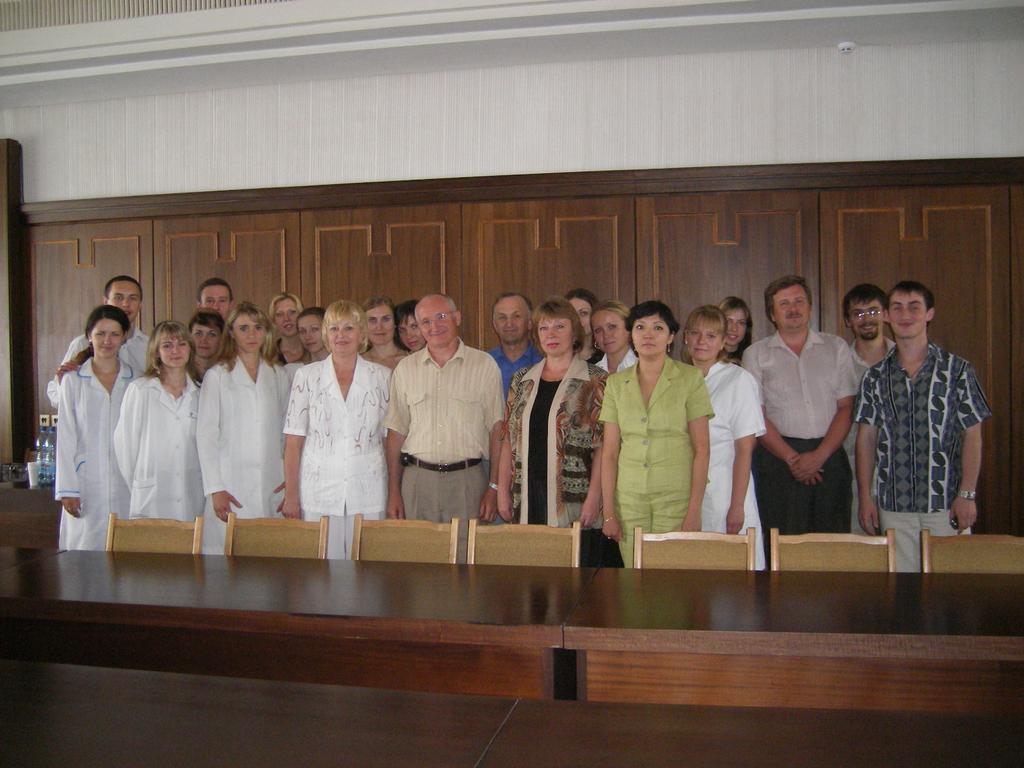
Since its establishment, the Faculty of Preventive Medicine has become a highly qualified educational unit within the university, training specialists for the sanitary and epidemiological service of the Republic of Belarus. 206 doctors specializing in preventive medicine have been trained for the areas most affected by the Chernobyl nuclear power plant accident.
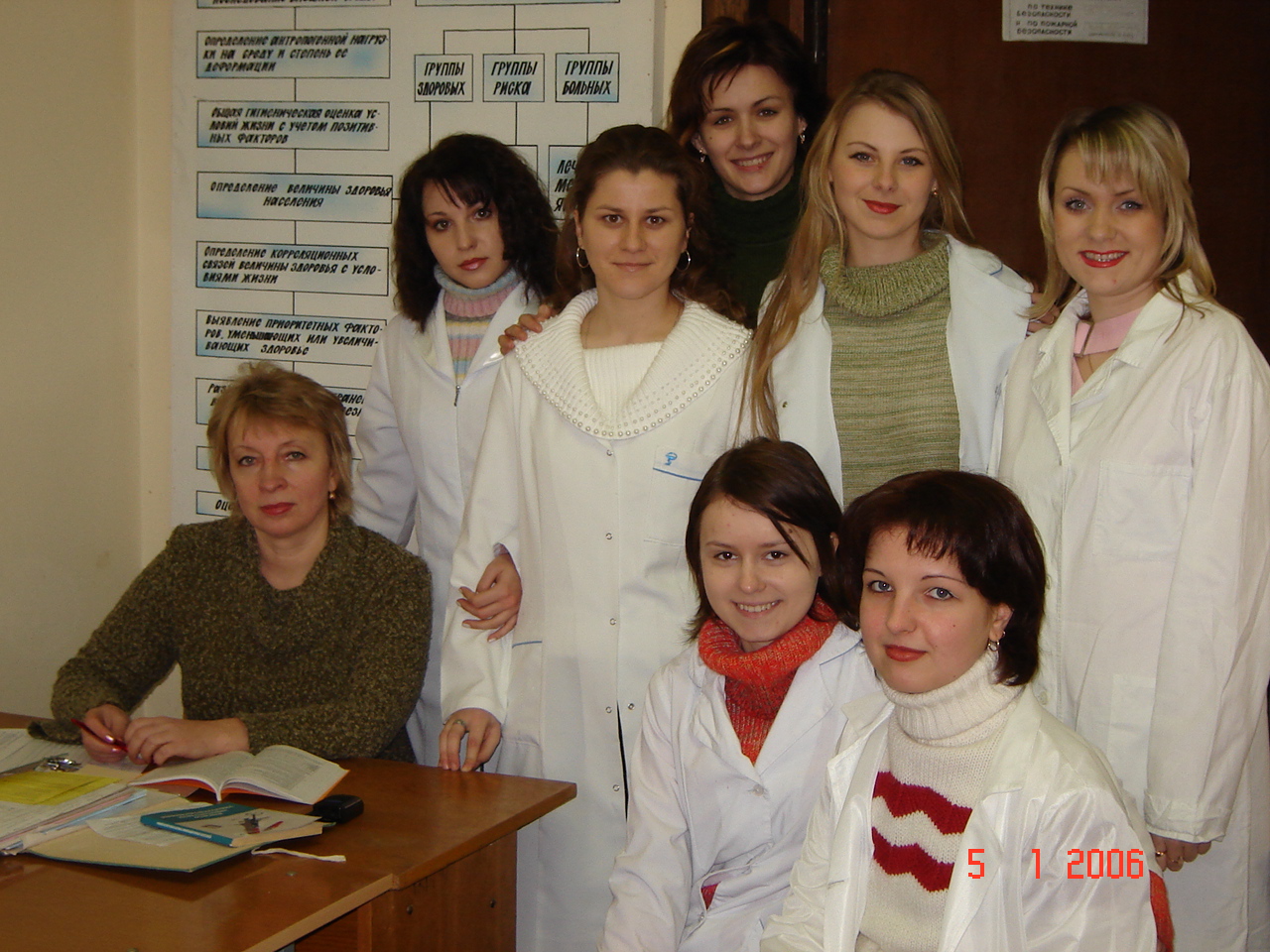
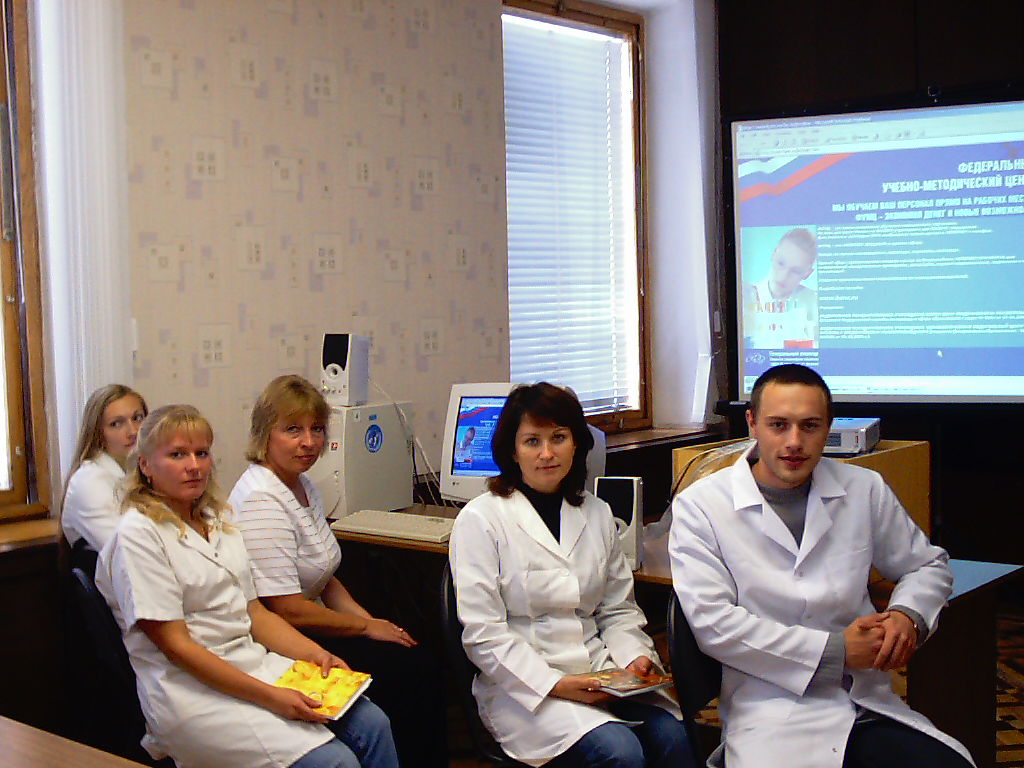
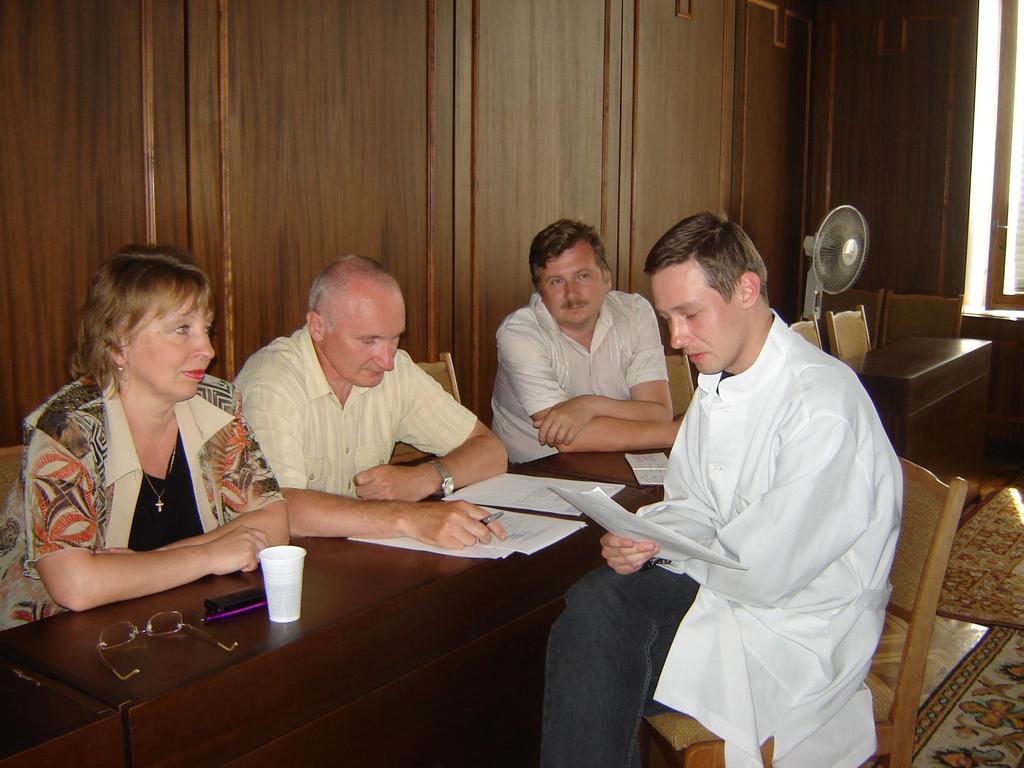
2020 brought a new epidemic threat to the forefront. Along with infectious disease specialists, the need and demand for epidemiologists and hygienists became clear. Currently, preventative measures are becoming a priority for the development of the country's healthcare system. Medicine today is focused on healthy individuals, and protecting the health of healthy individuals is the guiding principle of healthcare. Health is seen as an economic category, an important criterion for societal development.
It is easier to prevent diseases than to treat them, and in current conditions, taking into account the economic aspect, it is also cheaper.
Practical and scientific institutions of the Ministry of Health of the Republic of Belarus and other ministries and departments (State Institution “Gomel Regional Center for Hygiene, Epidemiology and Public Health”, State Institution “Gomel City Center for Hygiene and Epidemiology”, State Institution “Republican Scientific and Practical Center for Radiation Medicine and Human Ecology”, State Institution “Institute of Radiobiology of the National Academy of Sciences of the Republic of Belarus”) are used as training bases.
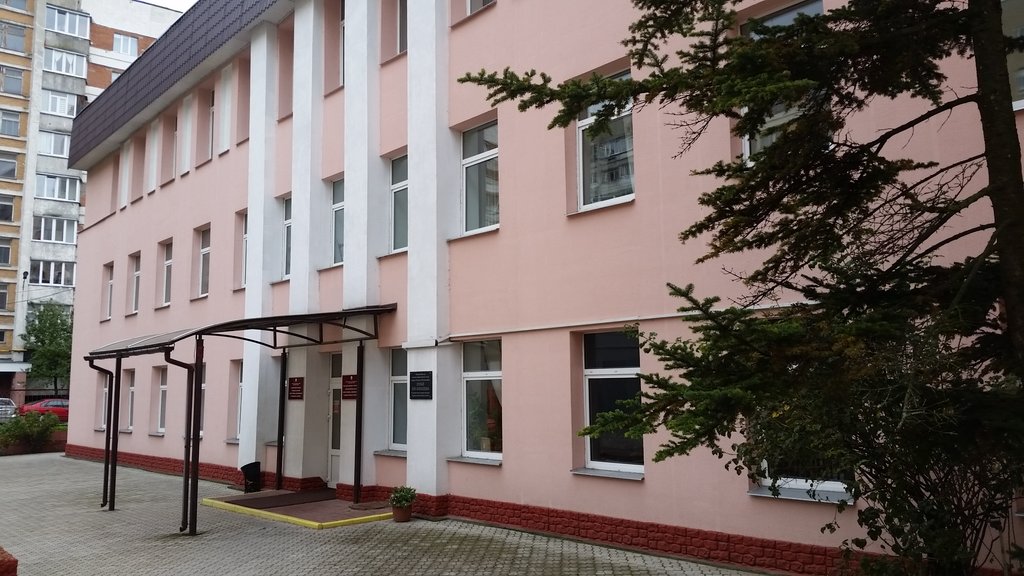
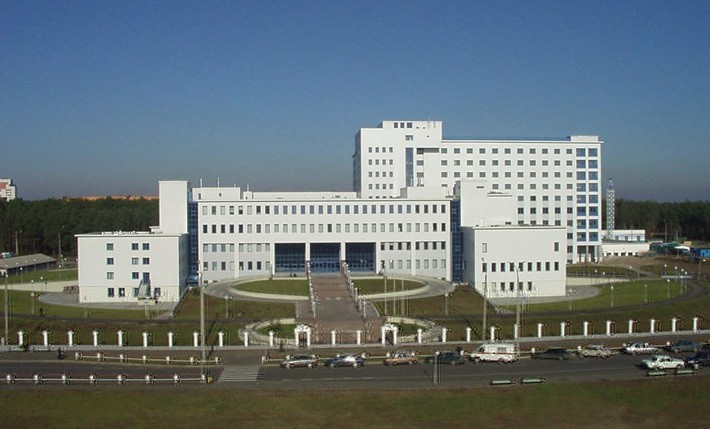
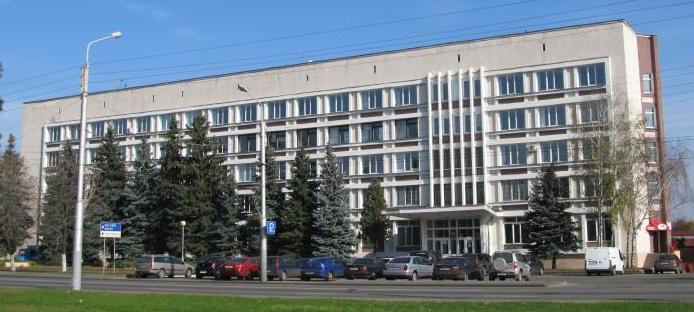
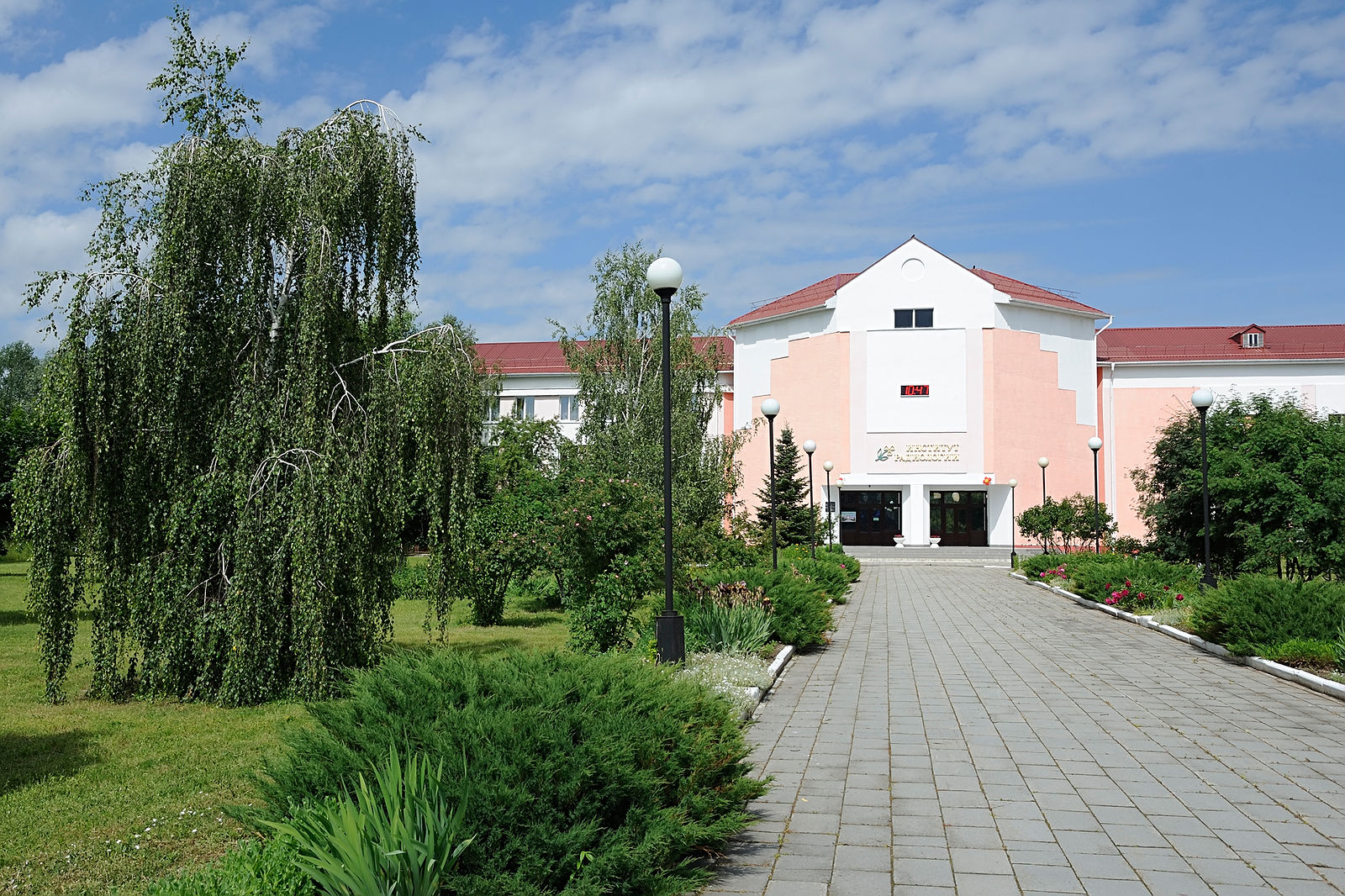
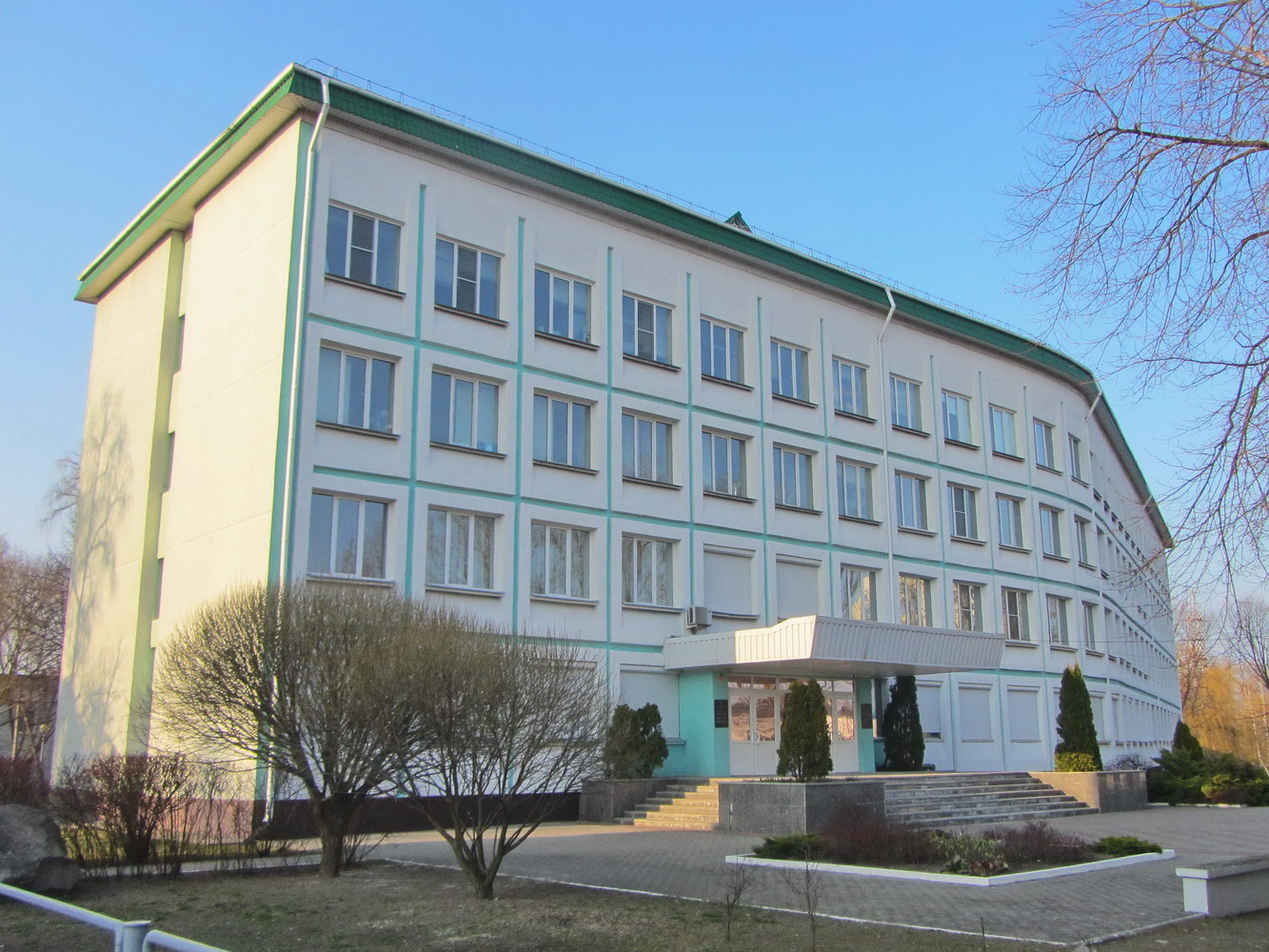
In 2024, the staff of the Department of Environmental and Preventive Medicine was awarded a diploma from the Russian Academy of Natural Sciences for their significant contribution to the training of highly qualified medical personnel.
The award was presented by Vasily Semenovich Novikov, Vice President of the Russian Academy of Natural Sciences, laureate of the State Prize of the Russian Federation in Science and Technology, Honored Scientist of the Russian Federation, Academician, Professor, and Doctor of Medical Sciences.
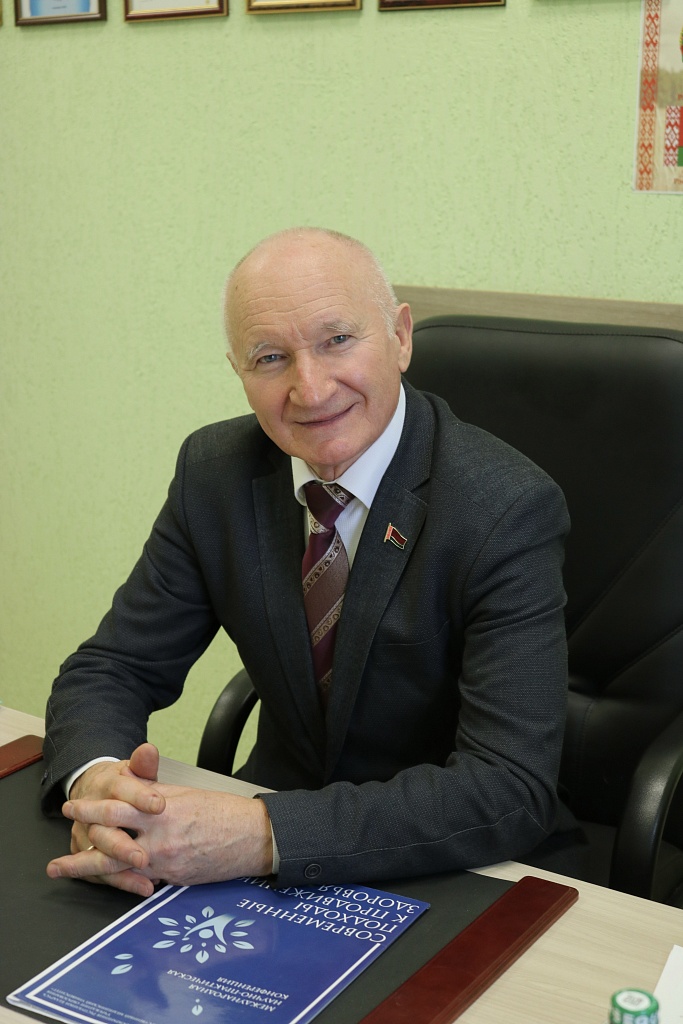
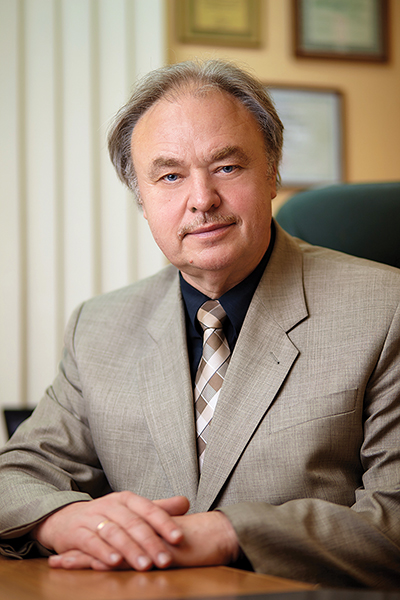
Uladzimir N. Bartnouski
Head of Department Candidate of Medical Sciences, Associate Professor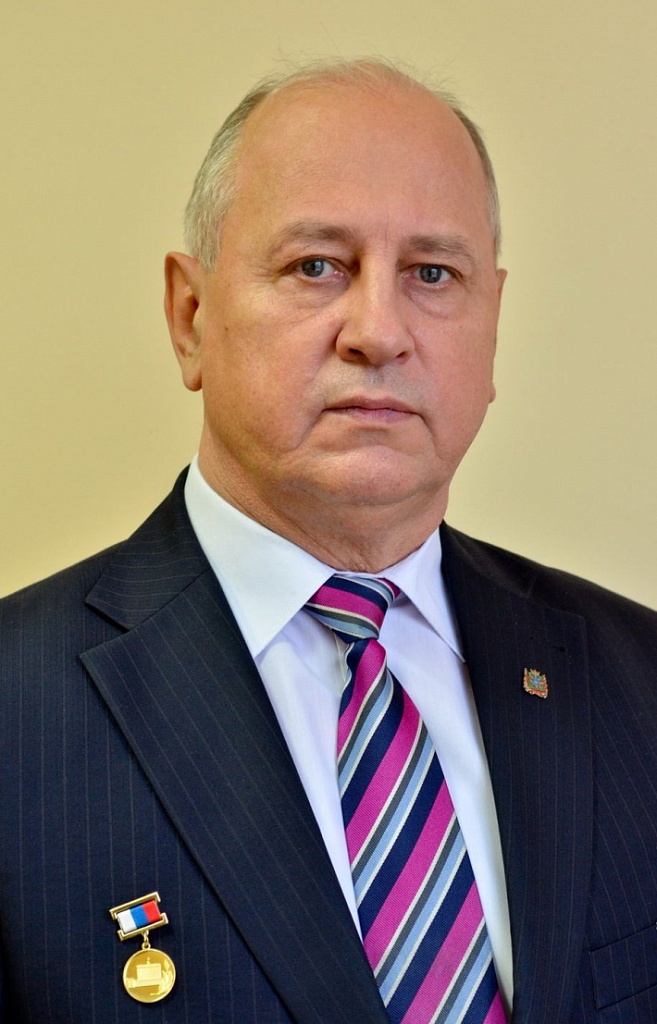
Viktar S. Averyn
Professor Doctor of Biological Sciences, Professor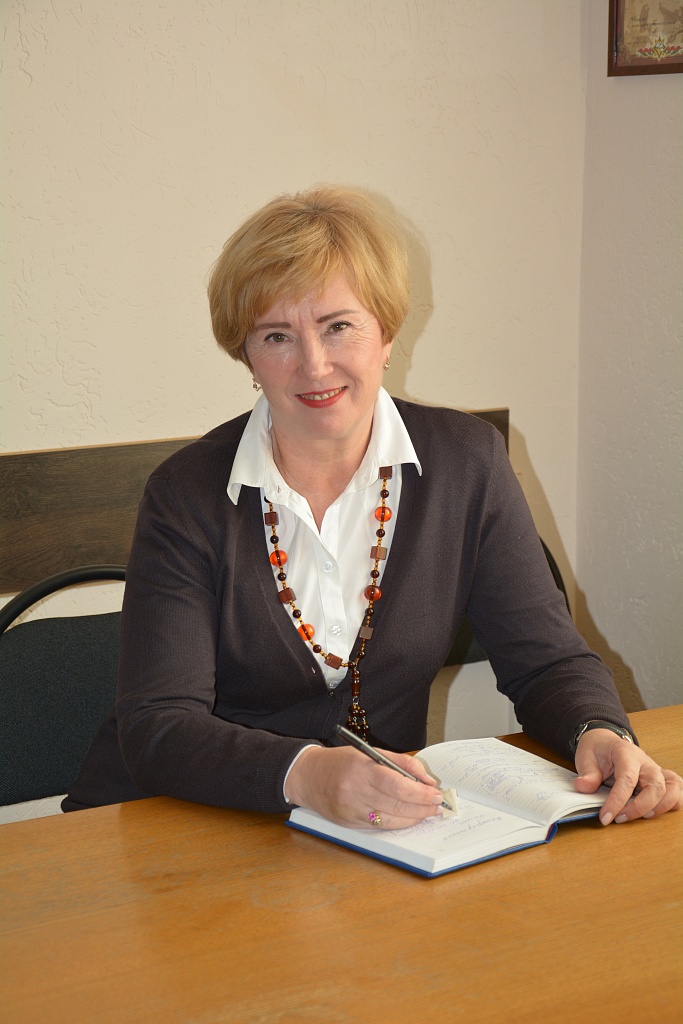
Tatsiana I. Khalapsina
Associate Teaching Professor Candidate of Technical Sciences , Associate Professor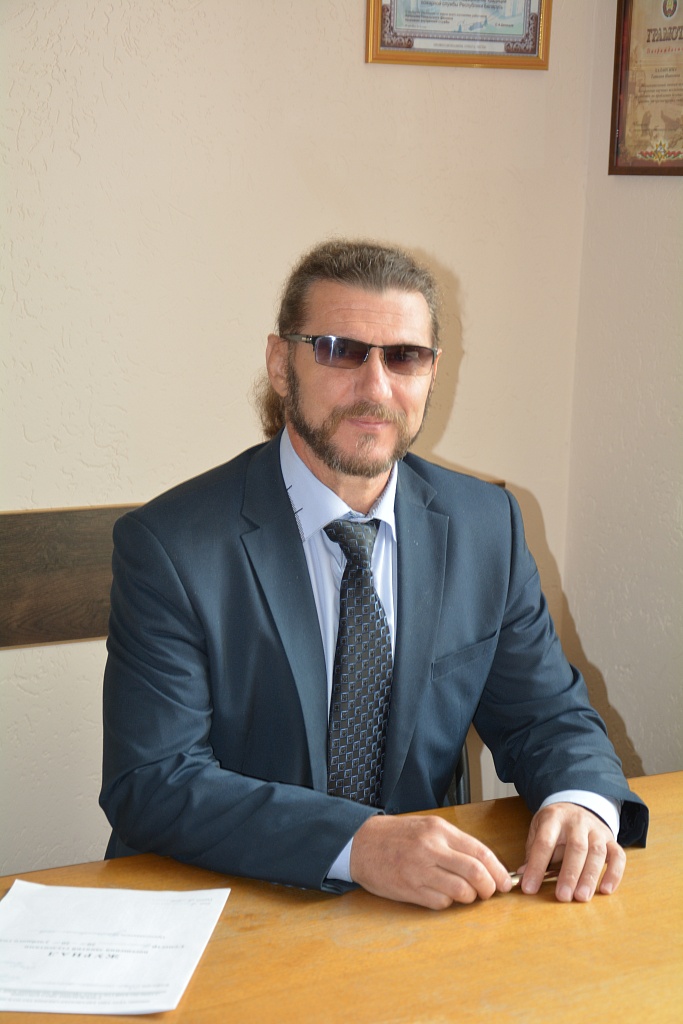
Uladzimir В. Masiakin
Associate Teaching Professor Candidate of Biological Sciences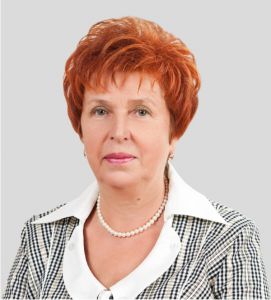
Dziyana B. Sakharava
Associate Teaching Professor
Volha M. Khramchankova
Associate Teaching Professor Candidate of Biological Sciences, Associate Professor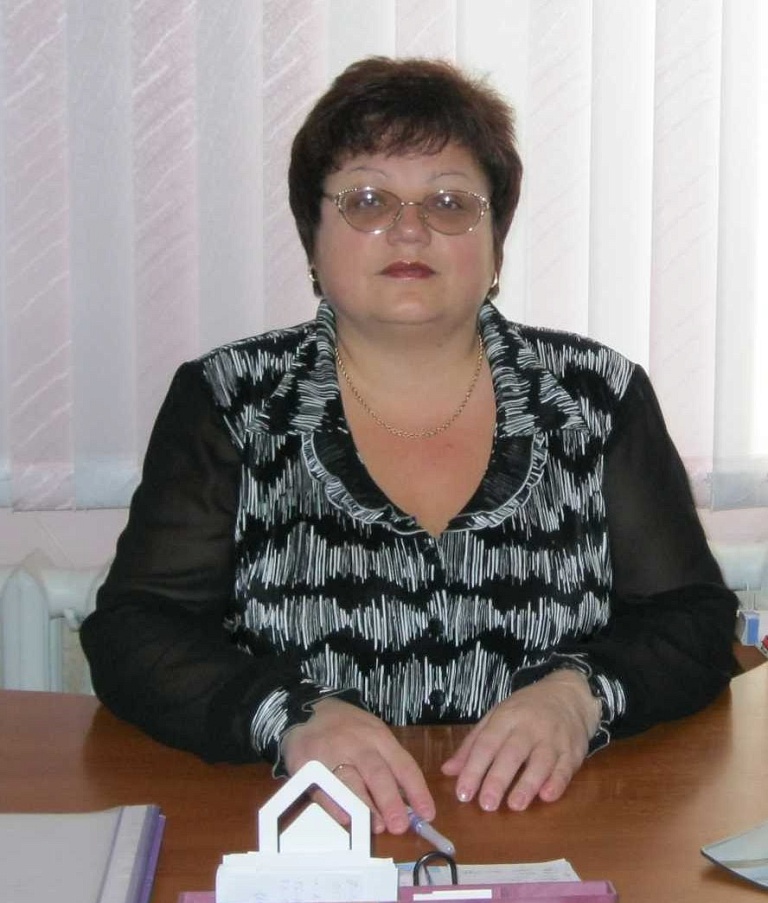
Larysa V. Tselikava
Associate Teaching Professor
Nataliya A. Zaikina
Senior Lecturer
Nikolai A. Potylkin
Senior Lecturer
Oksana F. Soroko
Senior Lecturer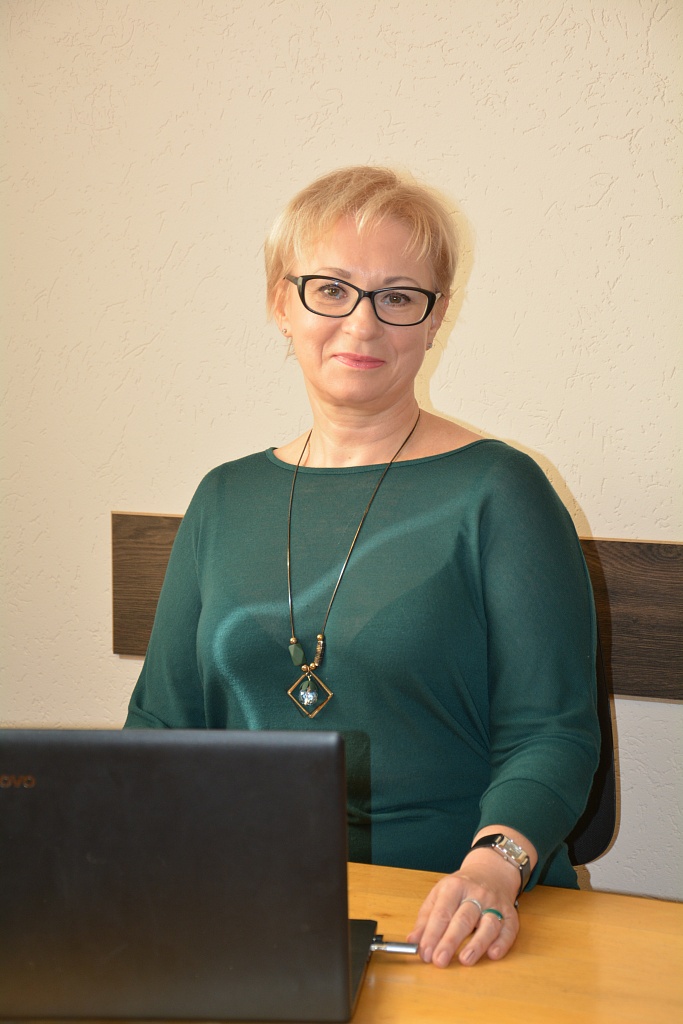
Irina N. Drabysheuskaya
Teaching Assistant
Larysa V. Tselikava
Teaching Assistant