
Department of Microbiology, Virology and Immunology
Address: 4, Fedyuninskogo street, Gomel, 246007
State Scientific Institution “Institute of Radiobiology of the National Academy of Sciences of Belarus”
Tel: + 375 232 68 31 21; + 375 232 68 43 90
E-mail: microbiolog@gsmu.by
State Scientific Institution “Institute of Radiobiology of the National Academy of Sciences of Belarus”
Tel: + 375 232 68 31 21; + 375 232 68 43 90
E-mail: microbiolog@gsmu.by
The Department of Microbiology, Virology, and Immunology was established in 1991.
From 1991 to 2006, the department was headed by Anna Afanasyevna Balakleyevskaya, PhD, Associate Professor.
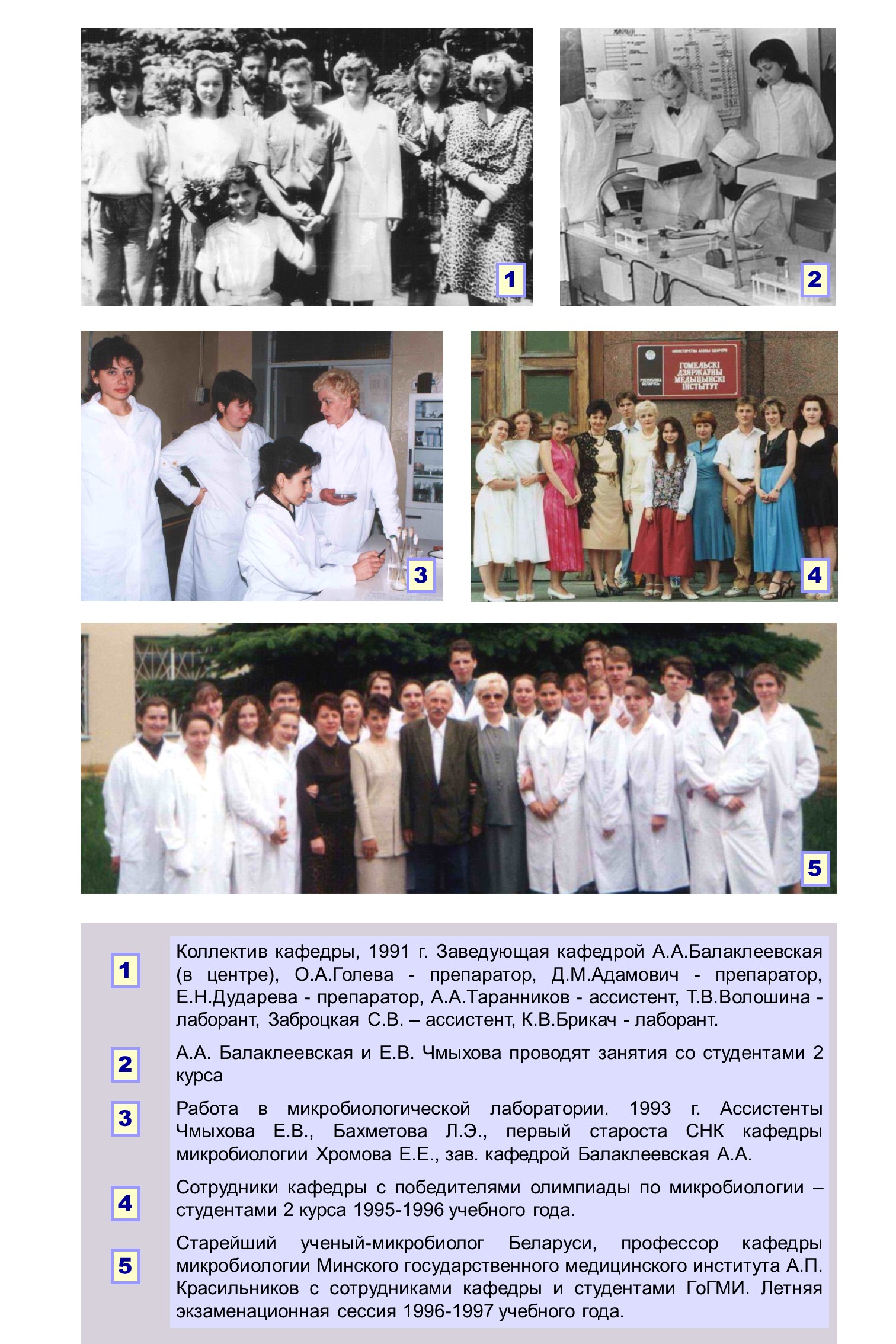
Under her leadership, the department's laboratory facilities were established, and the teaching of microbiology, virology, and immunology was organized in the Faculty of General Medicine, and subsequently in the Faculties of Medical Diagnostics, Medical Preventive Medicine, and the Faculty of Training Specialists for foreign countries. New teaching technologies were introduced into the educational process, including multimedia support for lectures, computer-based testing for the studied areas, and the use of "Virtual Laboratory" computer simulators. "Protocols for Practical Classes for Students" were developed and implemented for all areas of the studied discipline.

A.A. Balakleyevskaya initiated the research work carried out in 1996-2005, devoted to the study of the long-term impact of radionuclides and other man-made factors on the species composition and variability of the biological properties of the human body's autoflora.
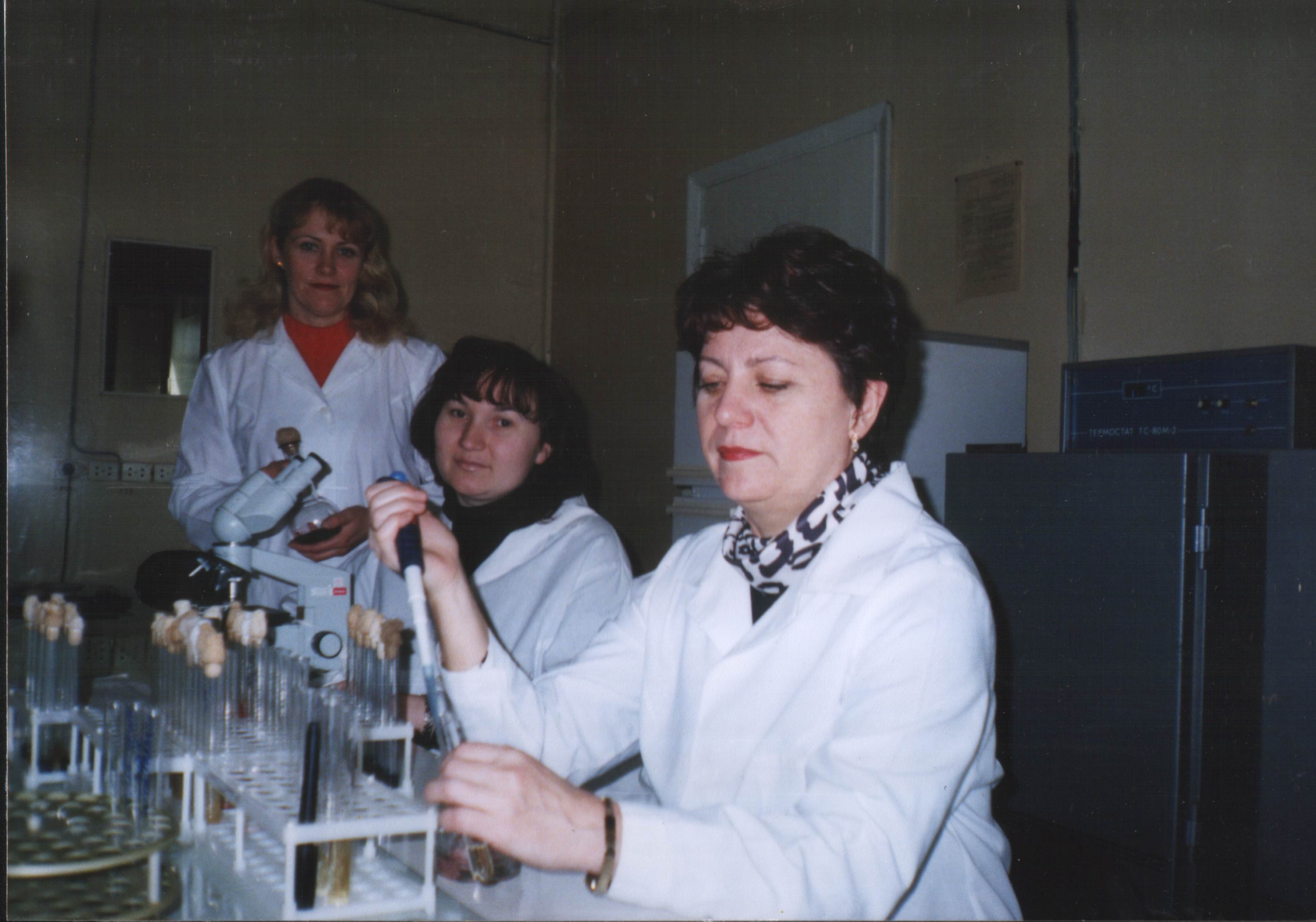
From 1999 to 2003, A.A. Balakleyevskaya, together with specialists from the Gomel Regional Center for Hygiene, Epidemiology, and Public Health, conducted research on the epidemiological and epizootological characteristics of leptospirosis in Gomel and the Gomel region.
From 2006 to 2023, the department was headed by Doctor of Medical Sciences, Associate Professor Dmitry Viktorovich Tapalsky.

Dmitry Viktorovich Tapalsky graduated with honors from the Faculty of General Medicine at Gomel State Medical University in 2001. In 2003, he completed a clinical residency at the Department of Infectious Diseases at Gomel State Medical University. He has worked in the Department of Microbiology, Virology, and Immunology since 2003.
Under the supervision of Professor S.V. Zhavoronok, he completed and defended his dissertation for the degree of Candidate of Medical Sciences in microbiology on the topic "Microbiological, Molecular-Genetic, and Clinical-Epidemiological Features of Salmonellosis in Young Children" (2006).
In 2019, he defended his dissertation for the degree of Doctor of Medical Sciences on the topic "Extremely Antibiotic-Resistant Gram-Negative Bacteria: Prevalence and Strategies of Antimicrobial Action" (scientific advisor – Professor I.A. Karpov).

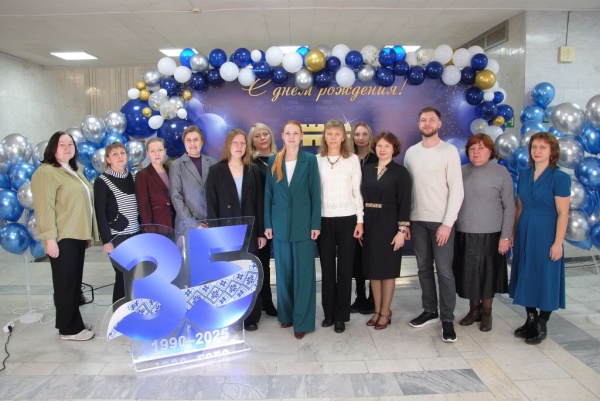
Since 2016, the department has been located on the premises of the Institute of Radiobiology of the National Academy of Sciences of Belarus, which has significantly expanded the range of scientific research conducted using modern equipment.
From 2023 to February 2025, the department was headed by Elena Vasilyevna Karpova, PhD, Associate Professor.

Since 2025, the head of the department is Tatyana Aleksandrovna Petrovskaya, PhD, Associate Professor.


TATSIANA A. PIATROUSKAYA
Head of Department Candidate of Medical Sciences, Associate Professor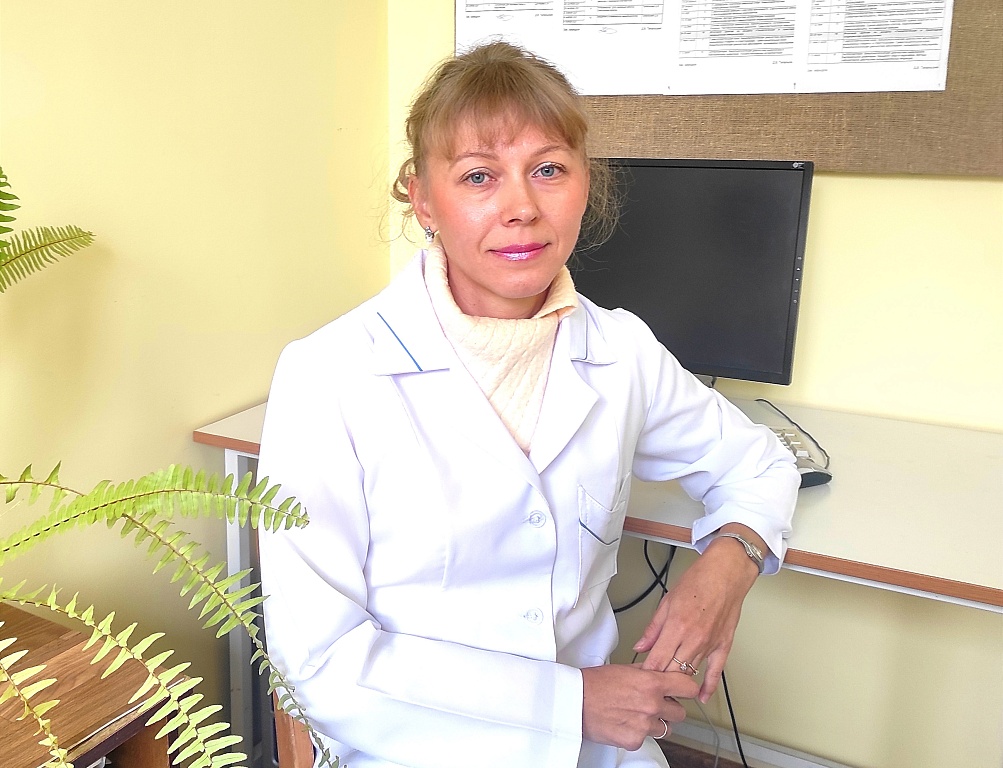
LIUDMILA V. LAHUN
Associate Teaching Professor Candidate of Medical Sciences, Associate Professor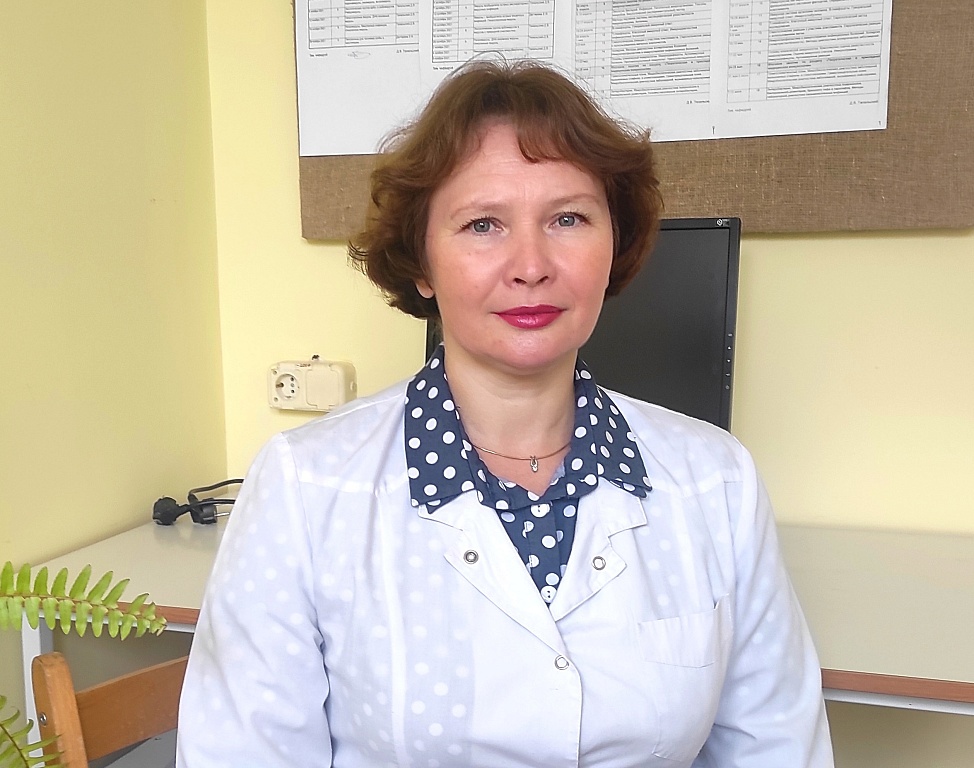
DZEHTSIAROVA ALENA
Associate Teaching Professor Candidate of Biological Sciences, Associate Professor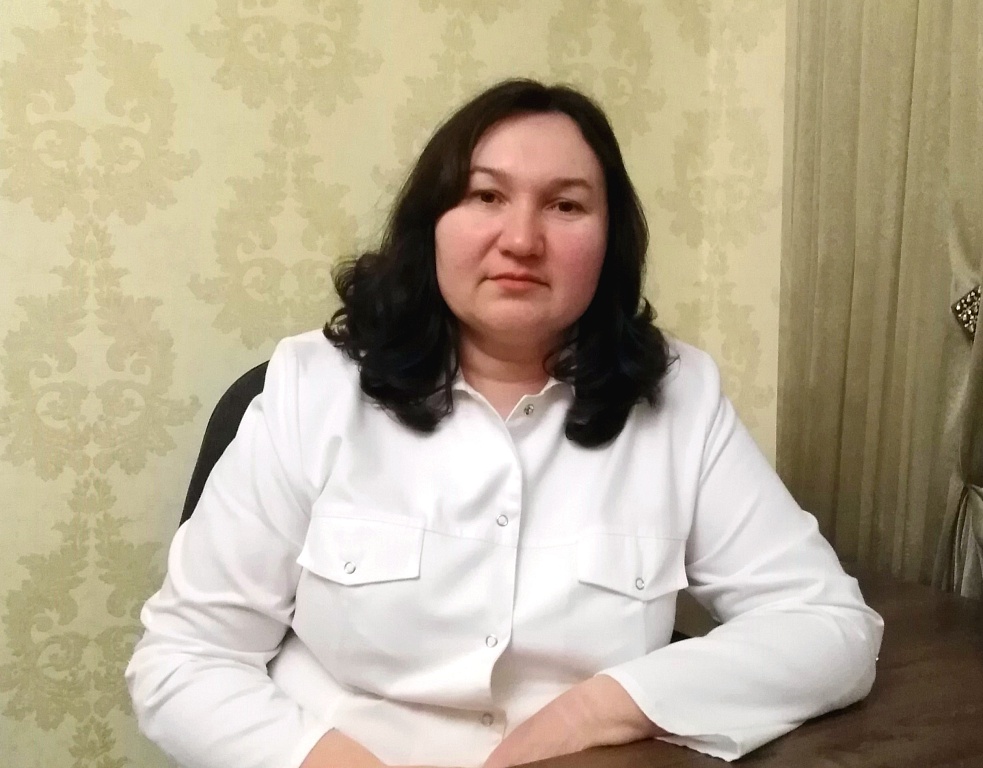
AKSANA V. ZINKEVICH
Senior Lecturer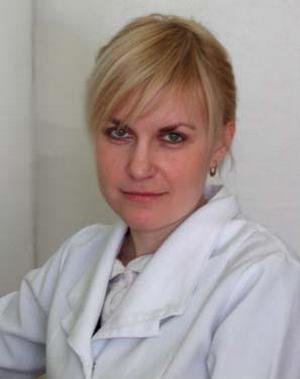
HANNA I. KAZLOVA
Senior Lecturer
YULIYA V. ANISENKA
Teaching Assistant
ANASTASIYA S. PALIAKOVA
Teaching Assistant
ALENA N. SATYROVA
Teaching Assistant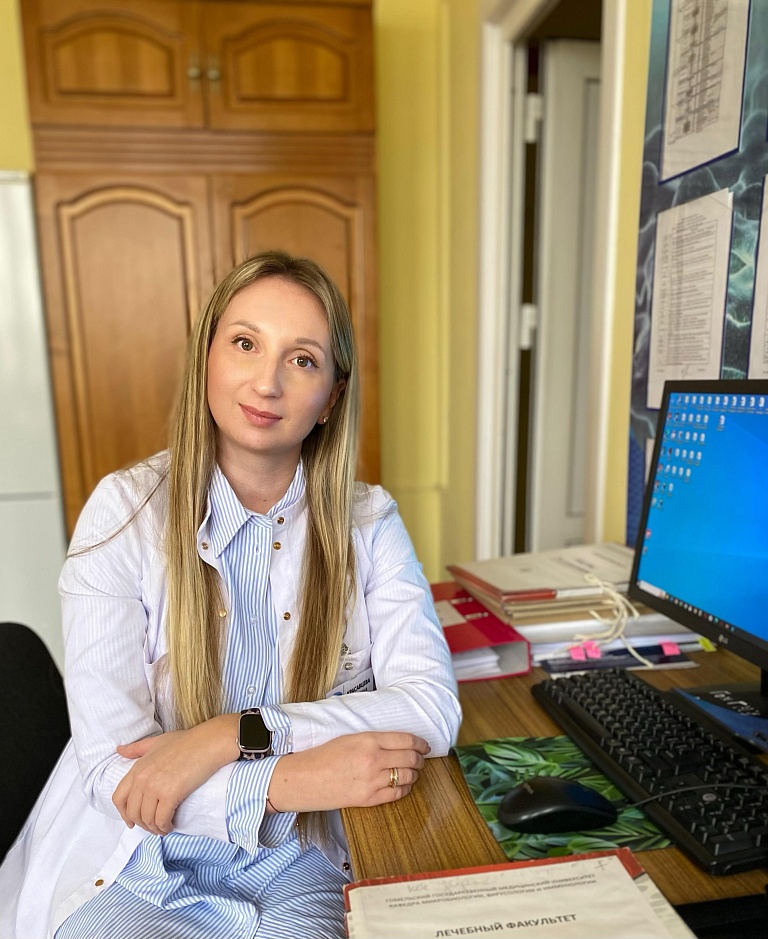
KATSIARYNA Y. KRASAUTSAVA
Teaching Assistant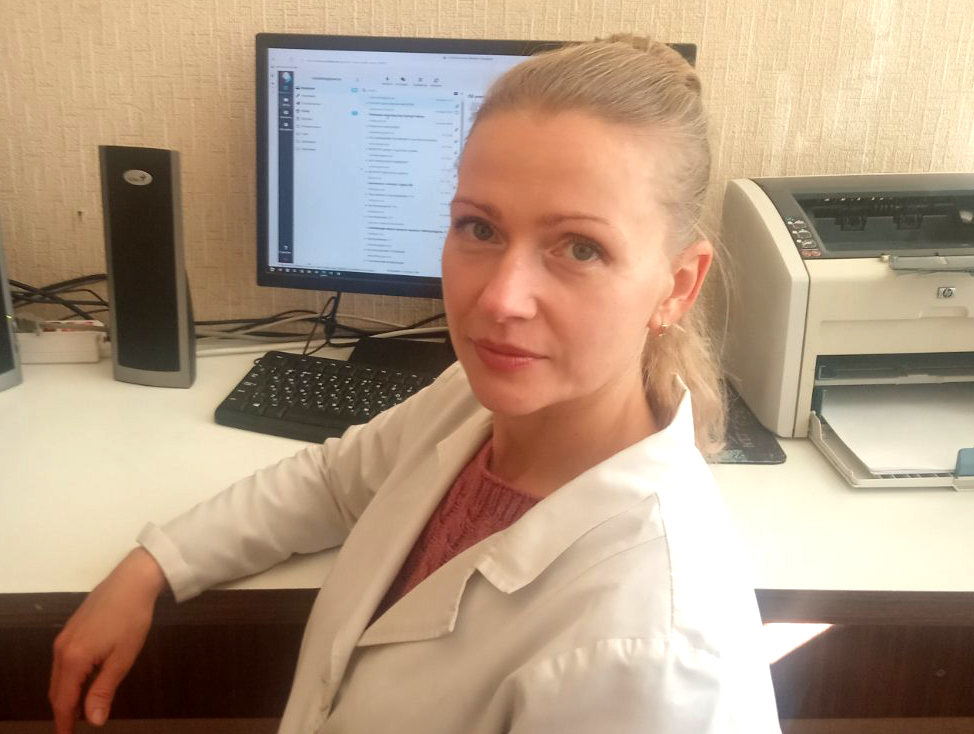
SVIATLANA U. PIKAS
Teaching Assistant